

Urban Flood Risk Cover for Lagos State, Nigeria
Parametric insurance to protect vulnerable residents and critical infrastructure from floods
Status
City description
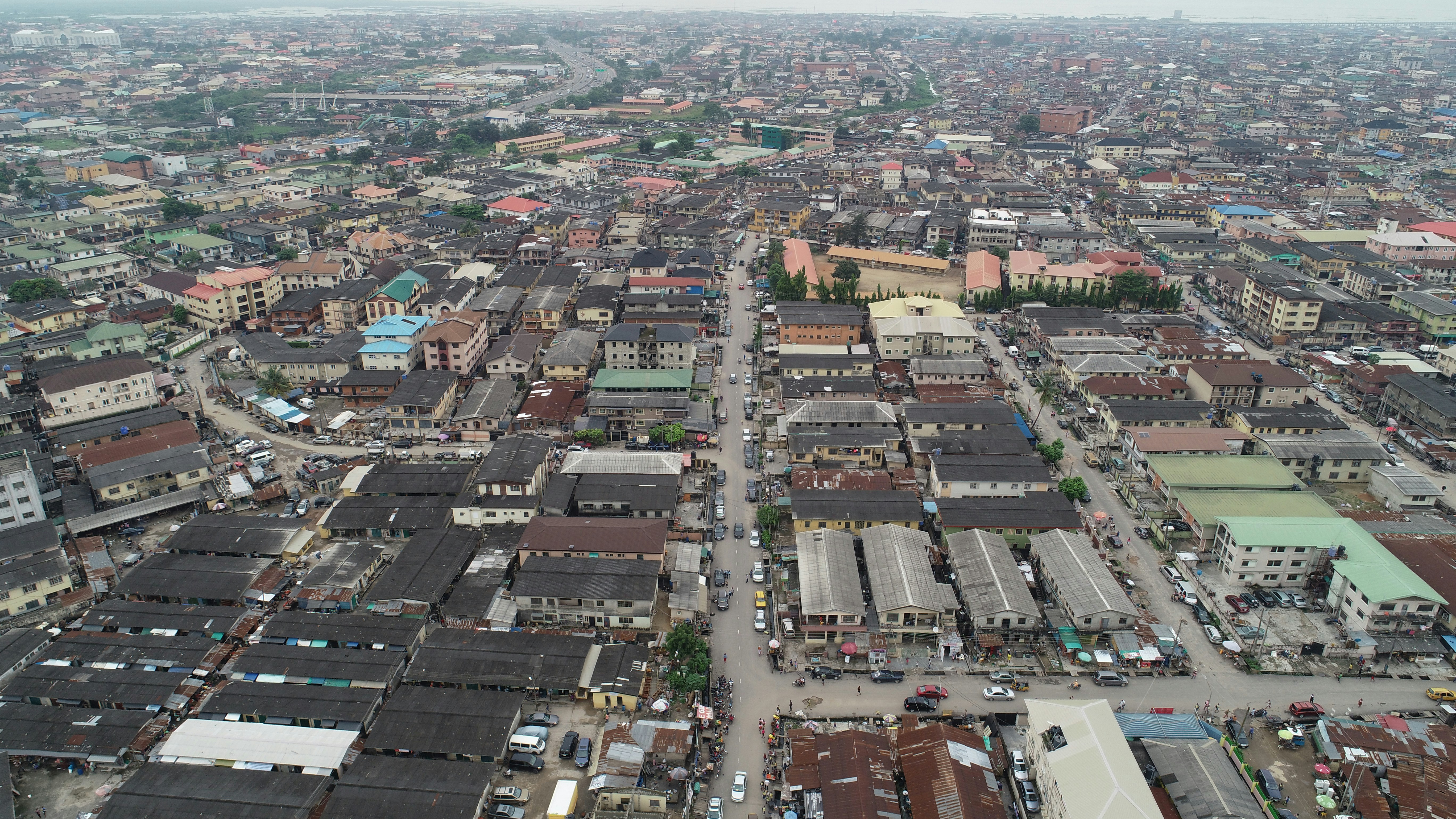
Lagos is a coastal megacity of over 15–20 million people. Large portions of the city sit at or below sea level, with extensive wetlands, lagoons and eroding coastlines. Intense rainfall, rapid urbanisation, and inadequate drainage systems make flooding one of Lagos’ most persistent and damaging hazards, disproportionately affecting low-income and informal settlements.
Challenge
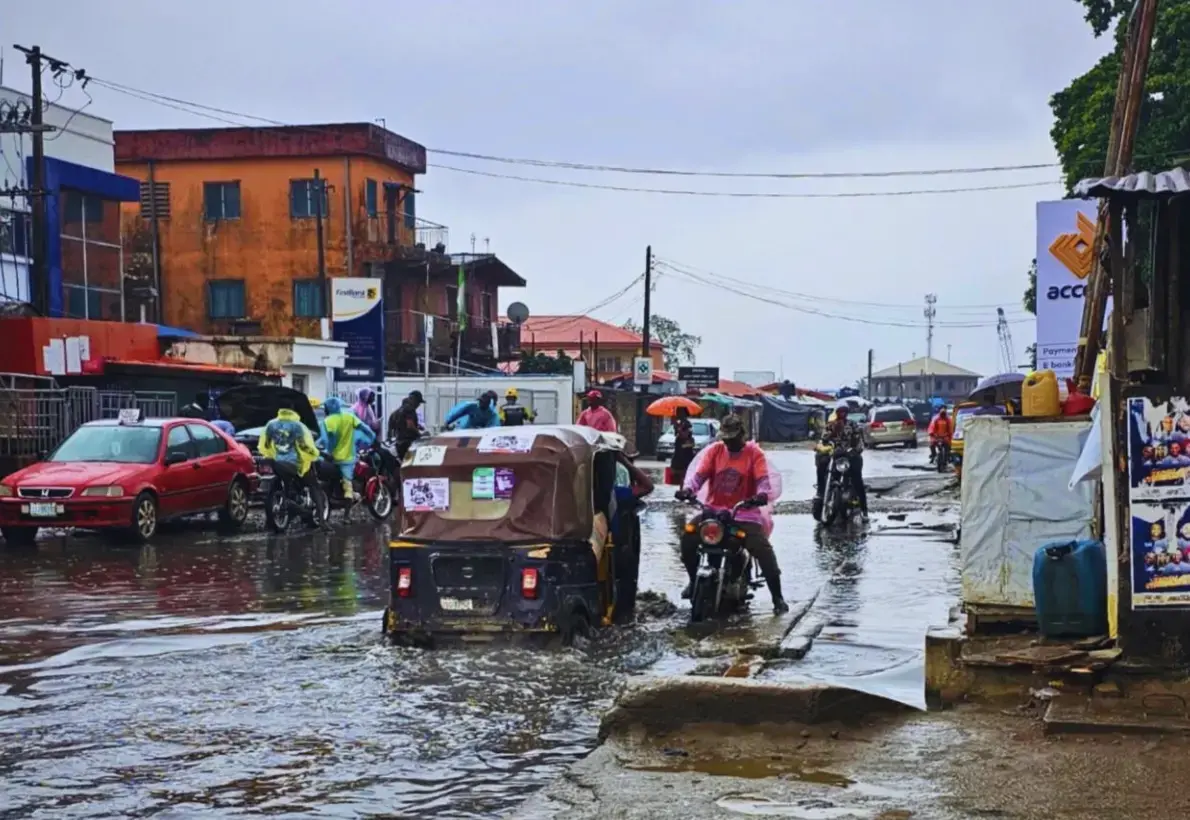
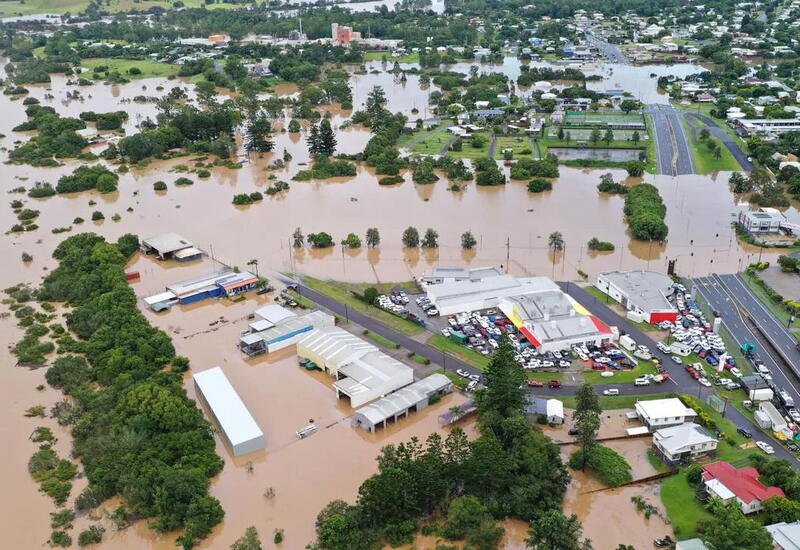
Seasonal and extreme floods cause repeated damage to homes, businesses and essential infrastructure. Vulnerable communities, often located in low-lying informal areas, face recurrent displacement, health risks and economic losses. Traditional post-disaster funding is slow and unpredictable.
Solution
The Urban Flood Risk Cover introduces a data-driven insurance product that triggers fast payouts when preset flood levels are reached. Funds are released directly to Lagos State to accelerate emergency response, support vulnerable families, and restore essential services.
Key Impacts
Up to USD 7.5 million available rapidly
after severe floods, reducing fiscal shocks and response delays.
State-wide protection
for critical infrastructure such as drainage, roads, water and energy systems.
Strengthened institutional capacity
to plan for and deploy pre-arranged finance
Enhanced policy coherence
aligning city and national climate adaptation objectives.
Comments ()