

Climate Ready Hobart: Zero Emissions by 2040
AI-guided trees, zero-emissions living and transit-linked housing for a fairer city
Status
City description
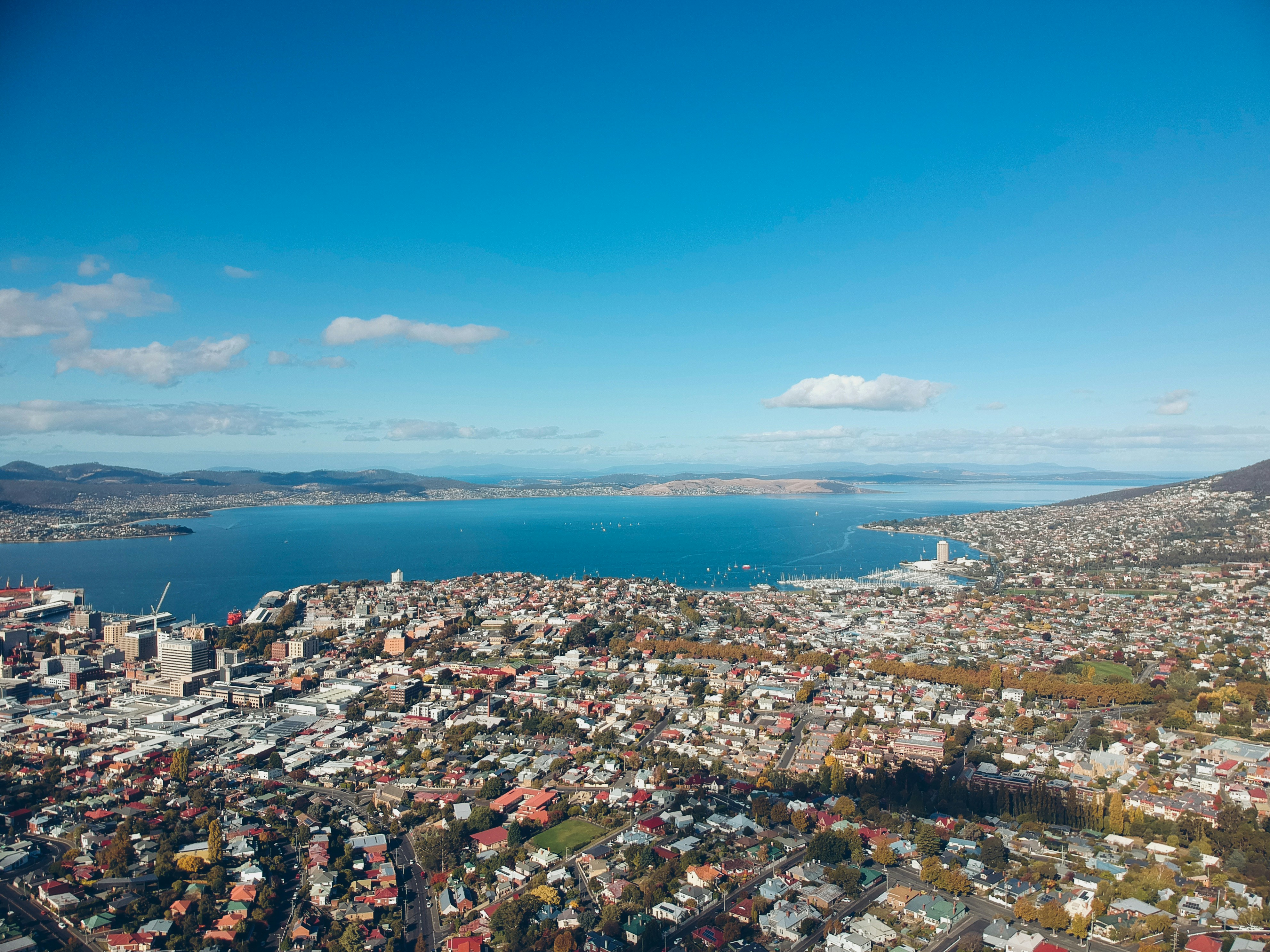
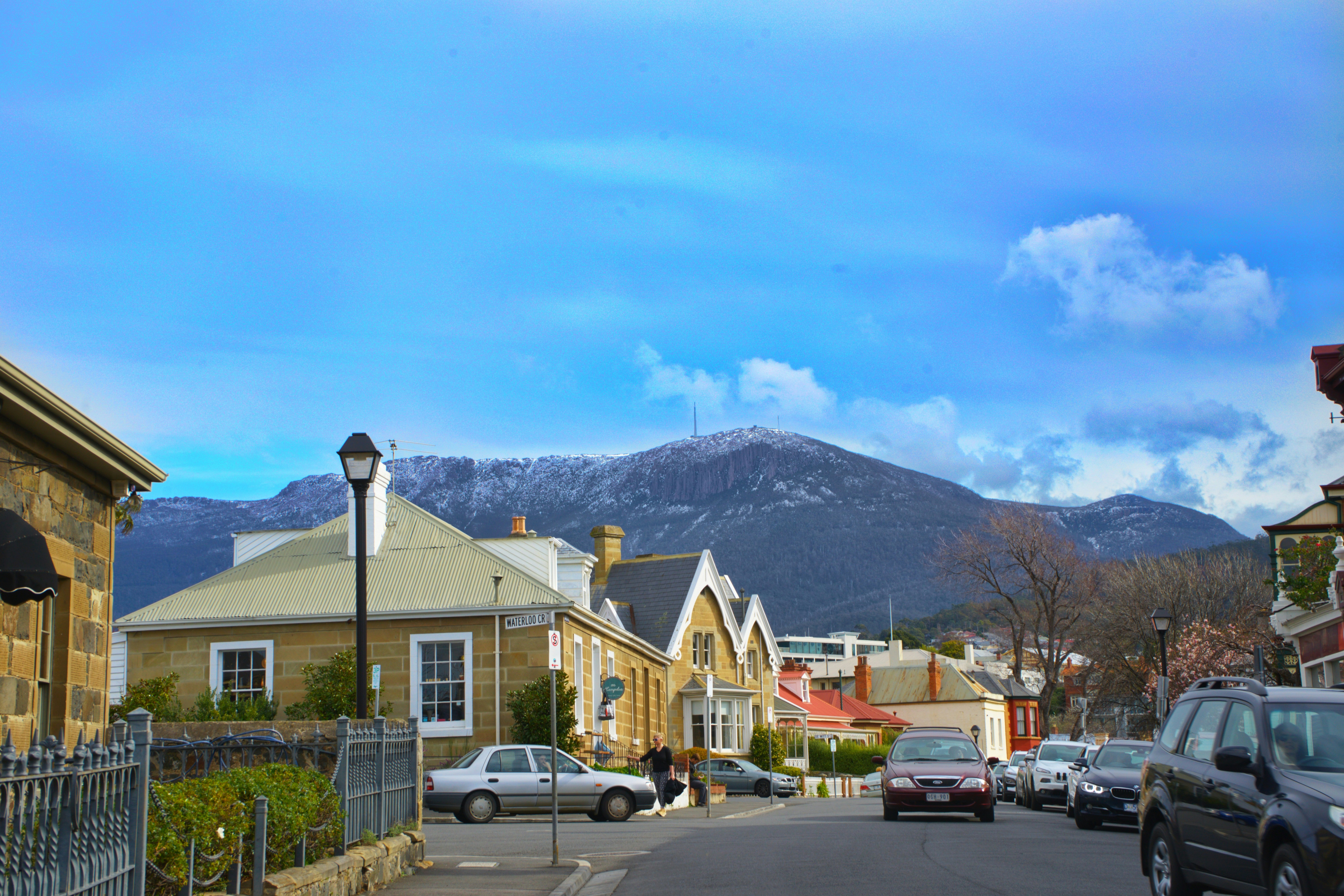
Hobart (nipaluna) is Tasmania’s capital, covering 77.8 km² between the River Derwent and kunanyi / Mount Wellington. The City of Hobart LGA has around 56,000 residents, while Greater Hobart has about 250,000 people, nearly half the state’s population. More than 60% of the municipality is native vegetation, providing major carbon sinks, biodiversity and recreation areas.
The city has declared a climate and biodiversity emergency, with transport (57% of emissions), electricity and gas as the main sources of its 432 ktCO₂-e community emissions in 2020. Hobart’s compact form, strong civic culture and youth activism create fertile ground for ambitious, community-led climate action.
Challenge
Hobart faces rising climate risks (floods, storms, bushfire), high car dependence, low tree canopy in priority areas (as low as 7% in the Central Business District - CBD) and intensifying housing pressures. Although Tasmania has high renewable penetration, 85% of Hobart’s emissions still come from burning fossil fuels, and many residents are vulnerable to climate impacts and cost-of-living barriers.
Solution
The city used a climate assembly, 1,000+ conversations and 240 local climate leaders to co-design the Climate Ready Hobart Strategy, establishing clear science-based targets and an integrated approach across mitigation, resilience, housing, youth leadership and nature-based solutions.
Key Impacts
432 ktCO₂-e to Zero by 2040
with 70% reduction by 2030
75% reduction in council emissions by 2030
net zero by 2035
29% to 40% canopy by 2046,
Central Business District canopy at 6.9%
A$1.2m/year savings
from solar and energy-efficiency retrofits
269 tCO₂-e avoided annually
through Food Organic and Gardens (FOGO) and landfill methane capture
A$295,000 mobilised
in community and youth climate grants
3,000 new transit-linked homes
enabled to reduce sprawl and car dependence
Comments ()