

Barranquilla: Energy for the Future
Scaling clean energy to power an inclusive and resilient city
Status
City description
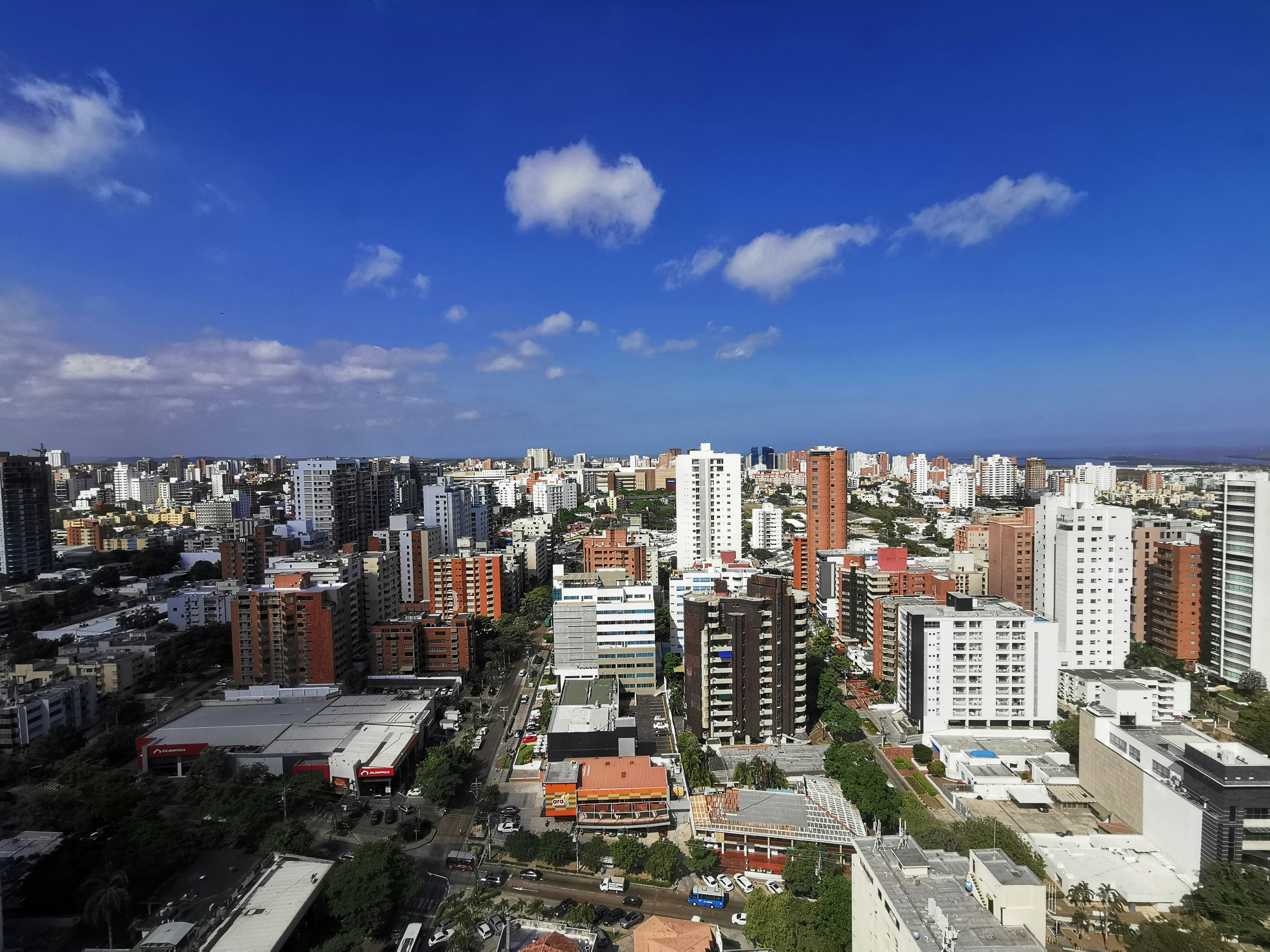
Barranquilla is a coastal port city of around 1.2 million residents, strategically located where the Magdalena River meets the Caribbean Sea. The municipality covers 166 km², forming one of Colombia’s most important logistics and industrial gateways. Its high solar radiation, strong wind regimes (9–13 m/s), and port infrastructure give the city a competitive advantage for renewable-energy production. This natural potential, combined with rapid urban expansion, makes energy resilience a central priority for sustainable development
Challenge
Barranquilla faces rising electricity demand, significant energy costs for low-income households, outdated lighting infrastructure, and growing climate pressures. Energy poverty limits economic opportunities, and municipal services historically depended on inefficient and carbon-intensive systems.
Solution
A multi-pillar clean-energy plan that combines solar PV at all scales, energy-efficiency measures, smart public lighting, and offshore wind preparation. This integrated approach reduces emissions, lowers costs, improves reliability, and enhances resilience — particularly for vulnerable communities.
Key Impacts
70,000 energy-efficient public lighting
fixtures installed
85,000 million COP
invested in lighting modernization
10,000 families
to benefit from community solar clusters
10,190 tons CO₂eq avoided
(Solar Park Phase I)
10–15 MWp rooftop PV
in 300 public buildings
27,000,000 kWh/year generated
+ 10 million kg CO₂eq/year avoided
13.5 MWp potential
from energy-community sites
317 kWp installed in homes/businesses,
445,938 kWh/year generated
90.3 tons CO₂/year avoided
in residential solar
Comments ()