

Greening Teresina: Climate Action in a Social Housing Complex
Women-led Urban Lab community climate upgrade in peripheral housing estate
Status
City description
Teresina is the capital of Piauí in north-eastern Brazil, with about 900,000 inhabitants and a metropolitan population above 1 million covering 1,392 km². It is one of Brazil’s hottest capitals, with temperatures above 32°C for up to 340 days per year and recurrent storms and floods. At the same time, the city faces low average incomes, dependence on federal welfare, and significant gender inequality and violence, factors that exacerbate climate vulnerability.
Challenge
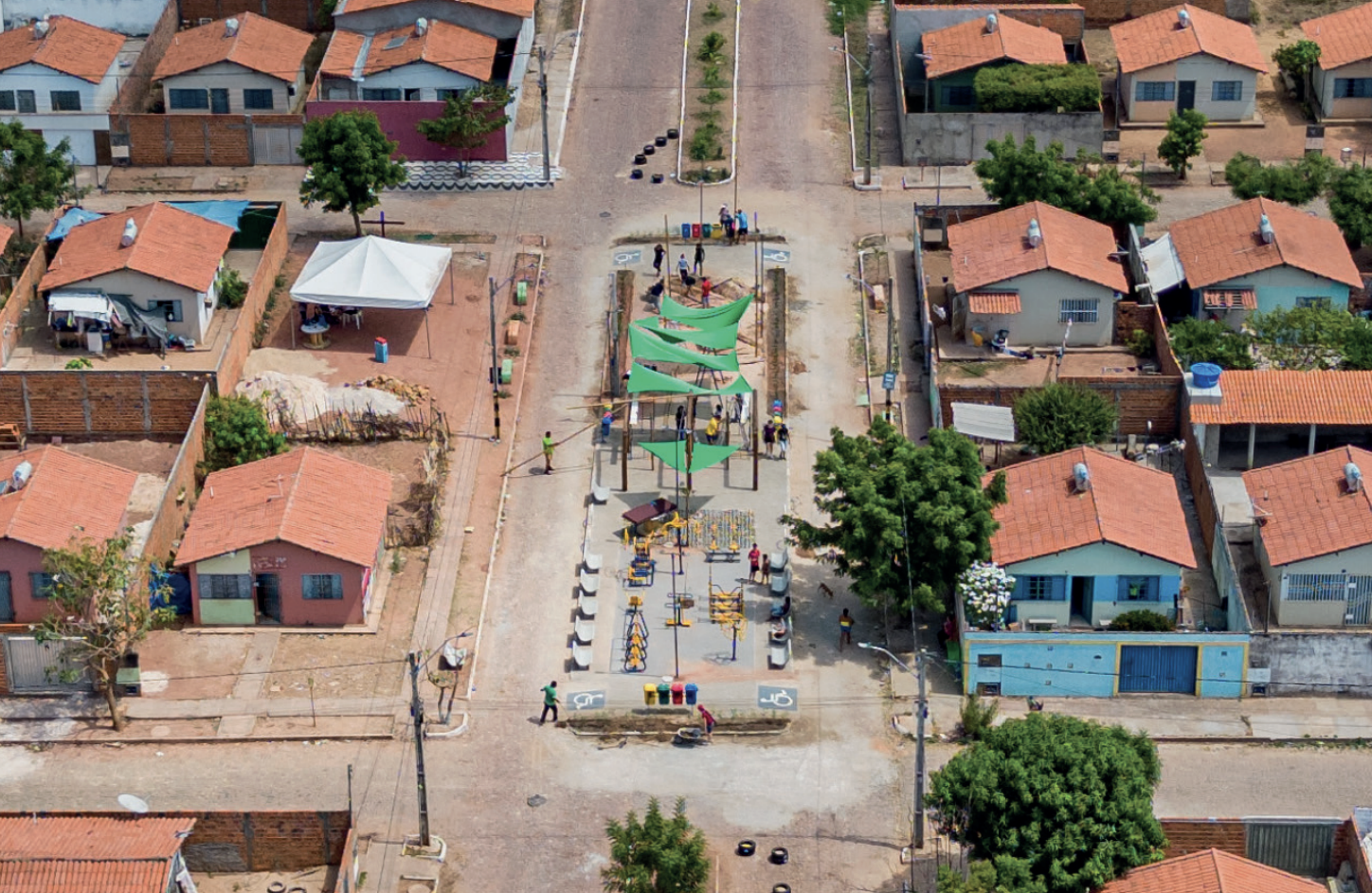
Edgar Gayoso, built in 2015 with 460 housing units, offered basic shelter but lacked green areas, safe public spaces, mobility, services, and social cohesion, conditions that amplify climate vulnerability and social stress. A delayed official census meant the neighbourhood was practically invisible in data and therefore in planning.
Solution
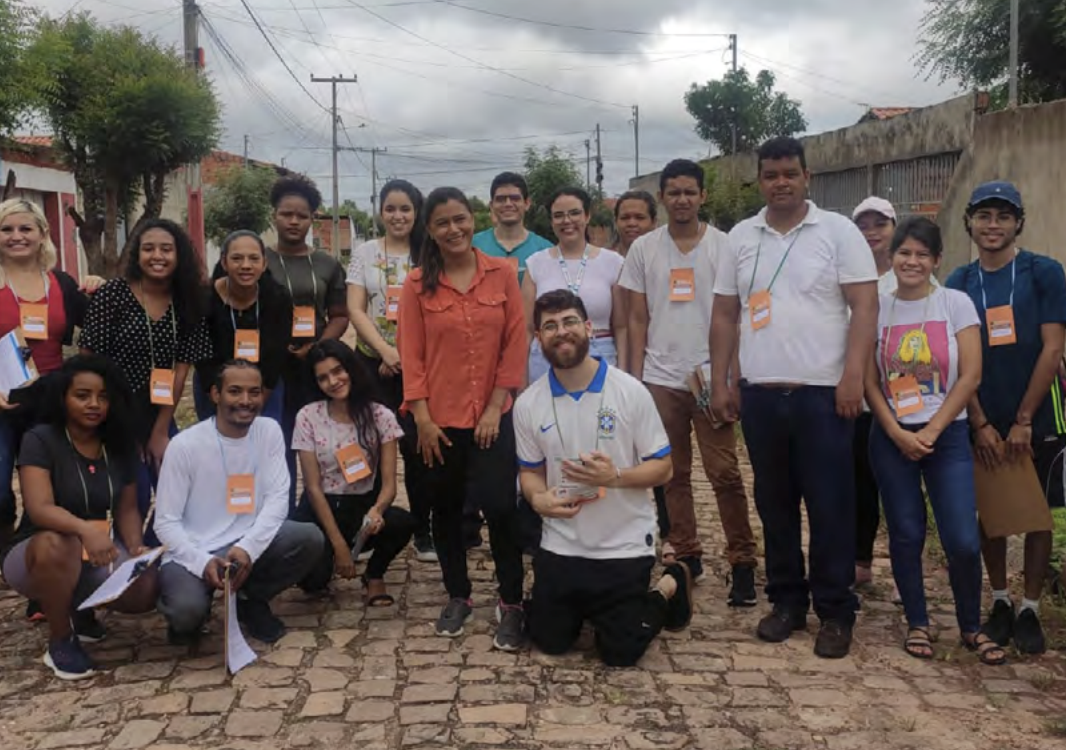
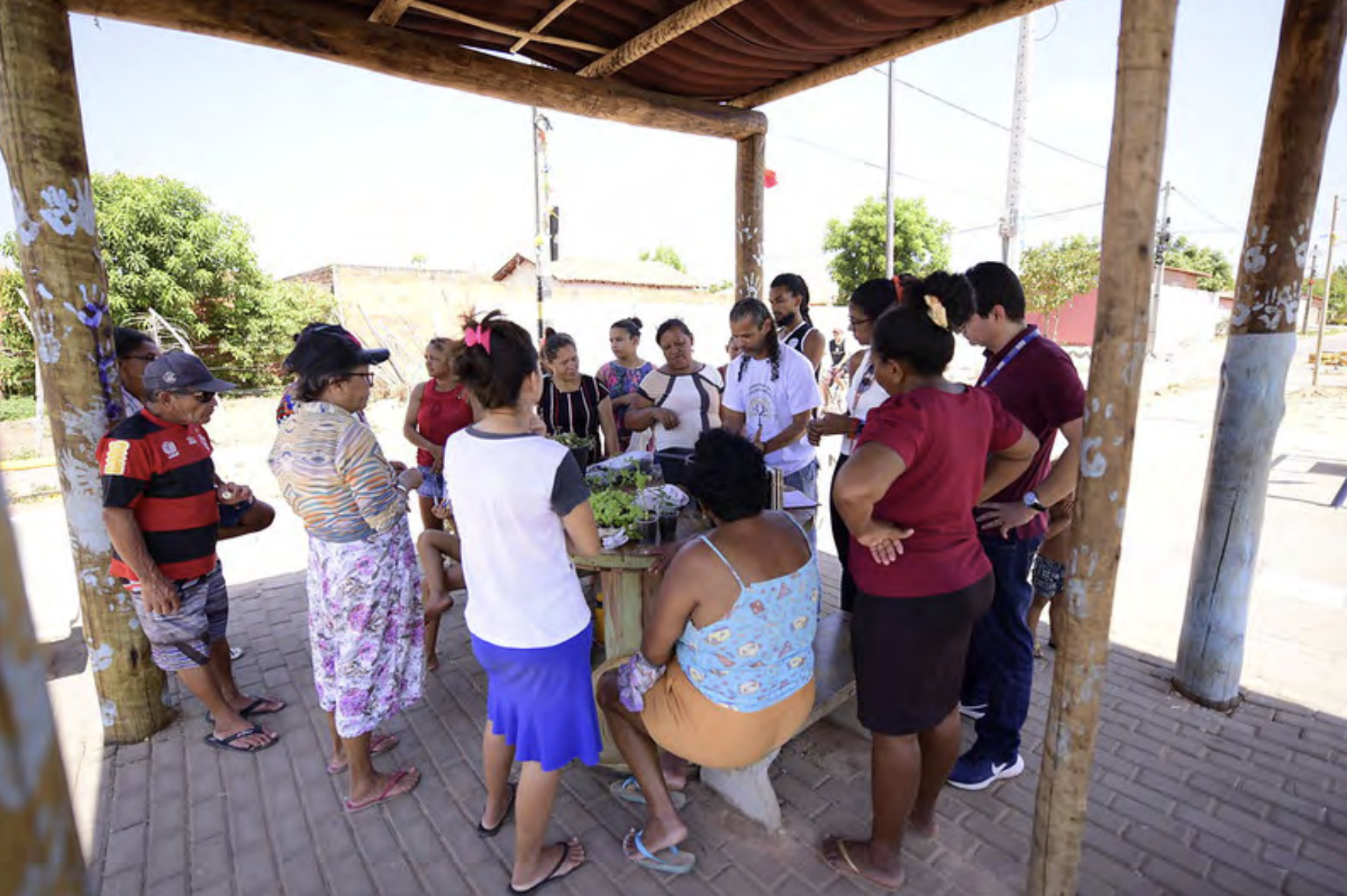
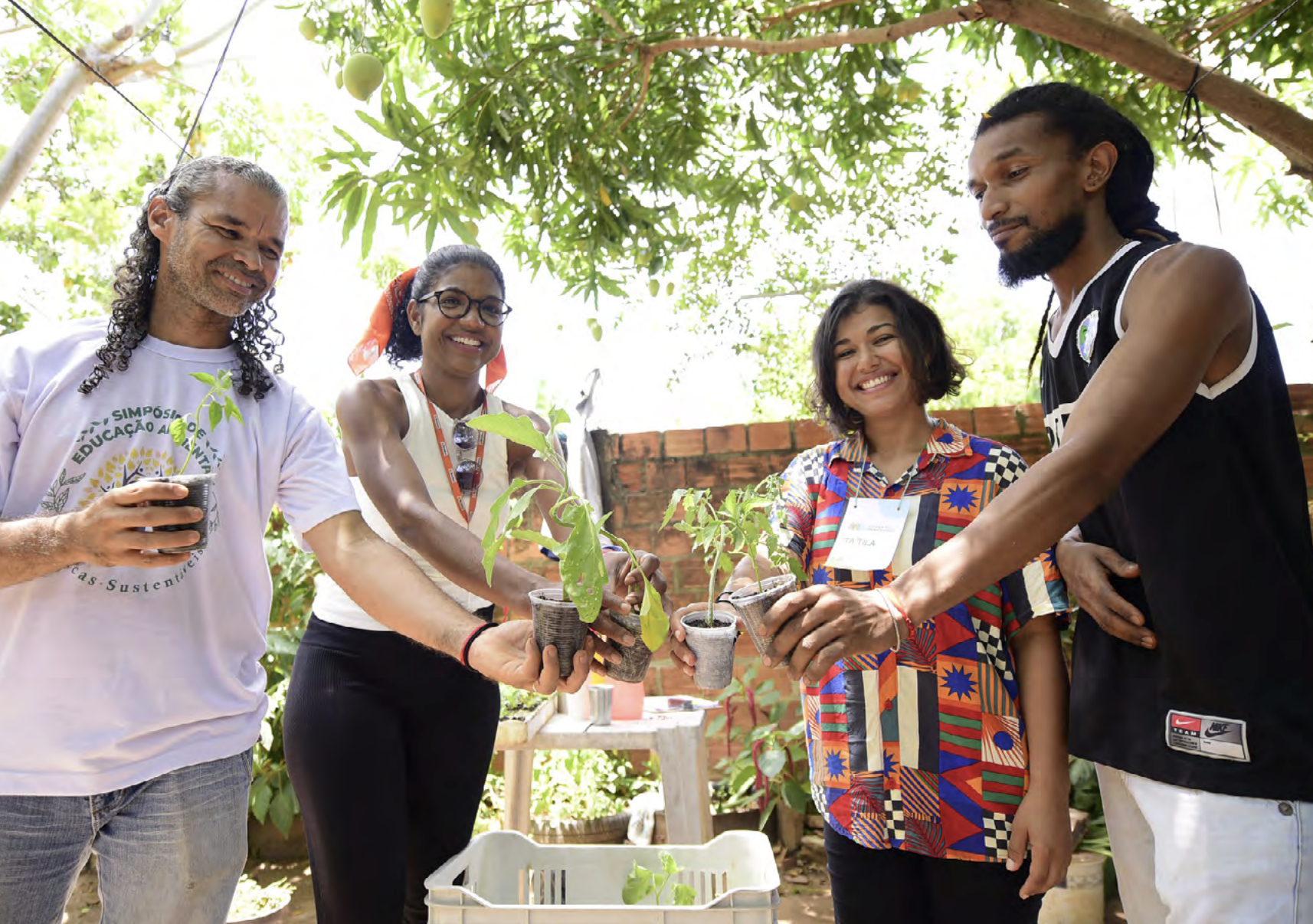
The Urban Lab created a collaborative platform to co-design climate-positive upgrades through participatory diagnosis, small public-space interventions, backyard greening, waste solutions, a community census, and a new multi-functional community space.
Key Impacts
460 homes now engaged
in a climate-focused Urban Lab process.
14+ multi-actor meetings
and 4 active working groups co-designing local solutions.
2 community mutirões (collective community work action)
delivered the new “Praça dos Sonhos” with shade, play areas, gym and vegetation.
66% women-led households
and 87% Black/brown residents included through community-generated census data.
25+ actors engaged
from government, academia, civil society and private sector
Dozens of households participating
in backyard greening, composting and recycling training
10 resident enumerators and 15 local researchers trained
to conduct the community census, strengthening local research capacity and ownership
Growing participation of women
in UL meetings, leading working groups and the women-led Sunday Fair
Comments ()