

Naucalpan Urban Lab: Inclusive Climate Actions
Co-creating cooler, safer, cleaner public spaces in Mexico’s largest metropolitan area
Status
City description
Naucalpan, with 834,000 residents in 2020 across 149 km², is part of the 22 million-inhabitant Mexico City Metropolitan Area. Its industrial heritage and fragmented governance contribute to socio-spatial inequality, pollution, and limited green space. Vulnerable neighborhoods like San Bartolo face heat stress, insecurity, and poor access to basic services.
Challenge
Severe air and water pollution, weak inter-agency coordination, and distrust between government and citizens have hindered urban improvement. Informal communities remain exposed to environmental and social risks.
Solution
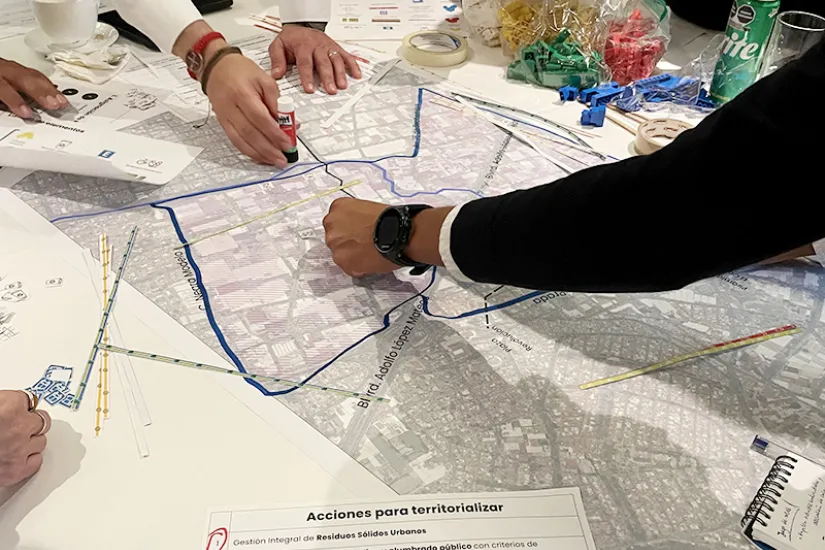
The Urban Lab model creates a neutral forum for shared problem-solving, combining participatory design and tactical urbanism to deliver visible, low-cost transformations that enhance livability and climate resilience.
Key Impacts
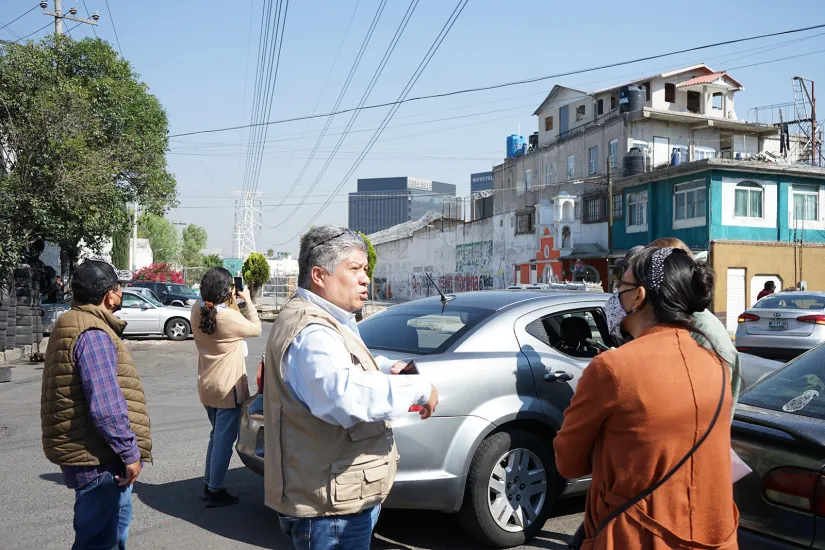
17 Urban Lab meetings
engaging about 30 participants each.
4 pilot projects
and working groups implemented
42% of participants were women
in 2023 (a 4% increase from 2022)
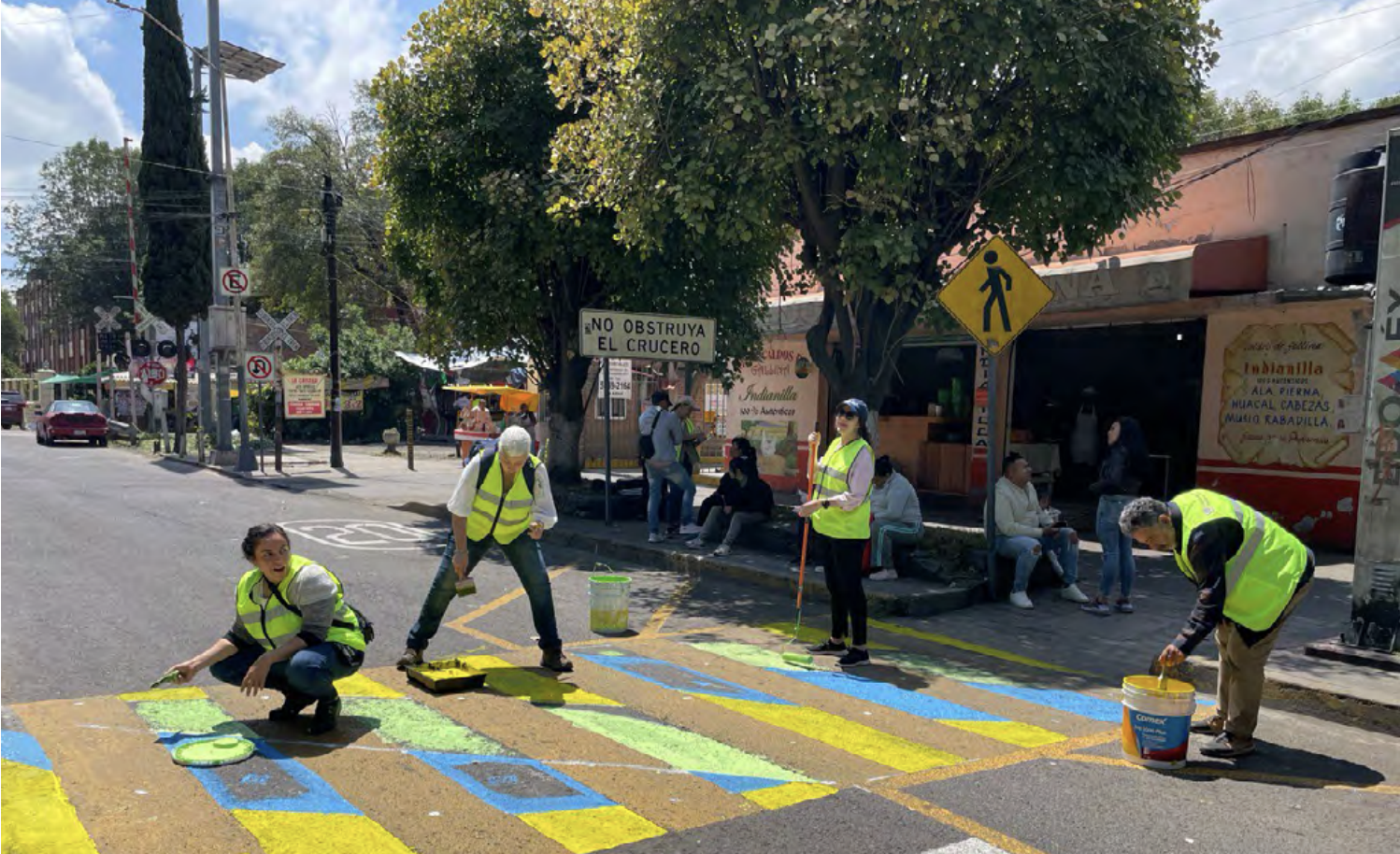
3 pedestrian crosswalks
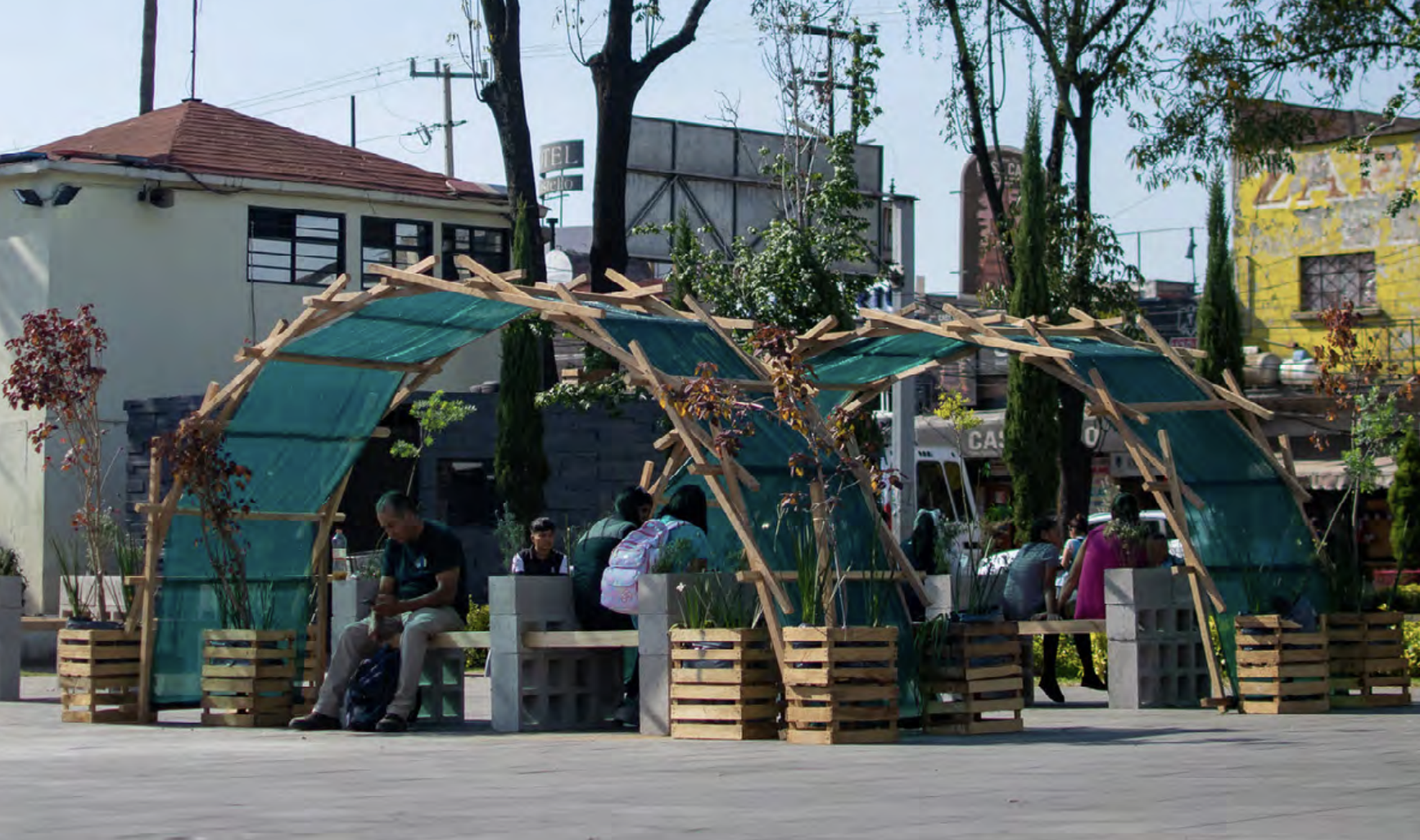
and shaded seating areas installed at Plaza Revolución.
1 green-roof bus stop with rainwater
harvesting, lighting, and universal access.
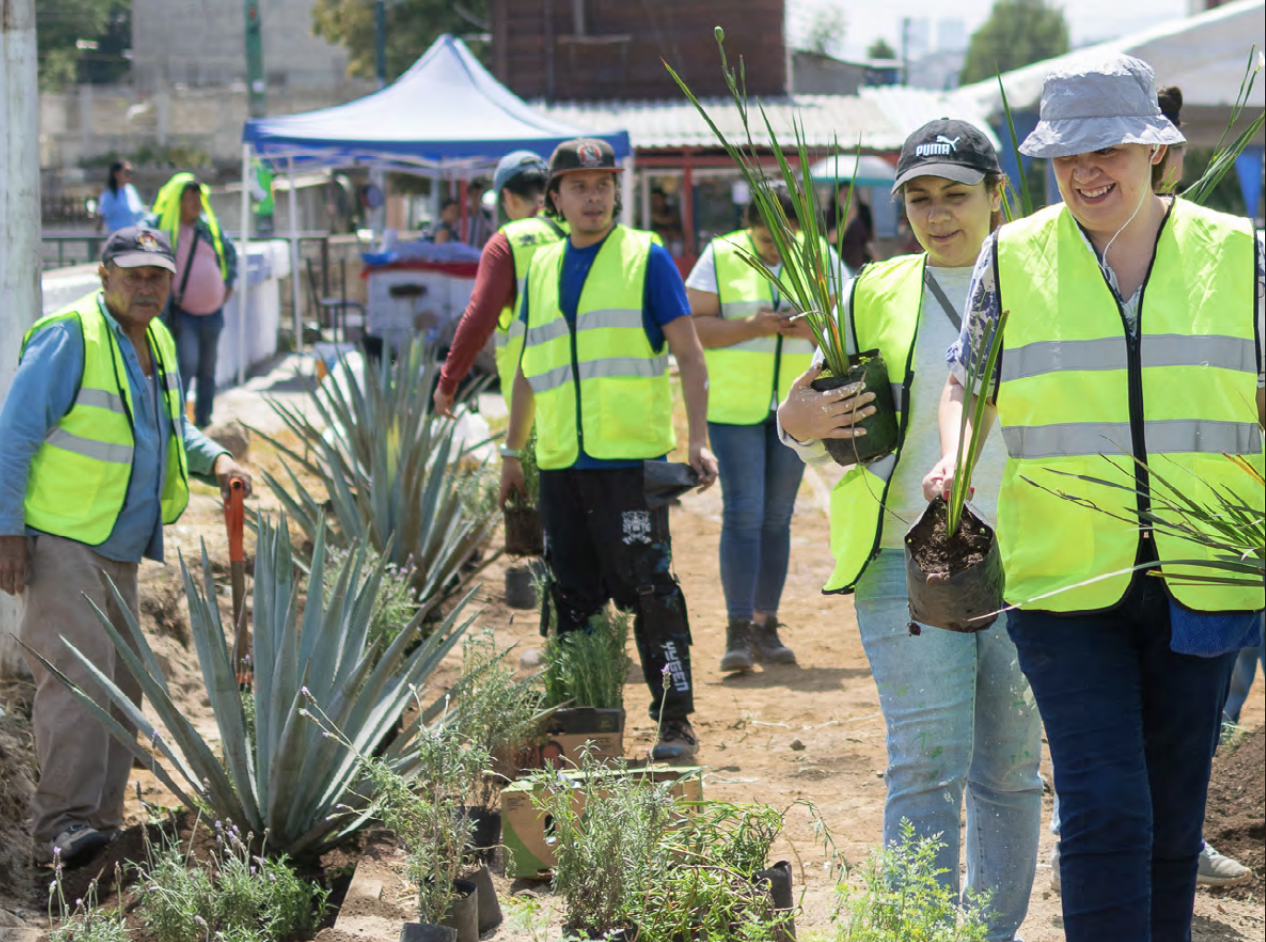
1 rain garden and a community mural
built on the banks of the Hondo River.
2 awareness campaigns
on circular economy and sustainable waste practices.
1 green point for solid waste collection
(batteries, medicine, plastic, cardboard, and aluminum).
Comments ()