

Rebuilding Mykolaiv’s Climate-Resilient Future
From Recovery to Climate Neutrality
Status
City description
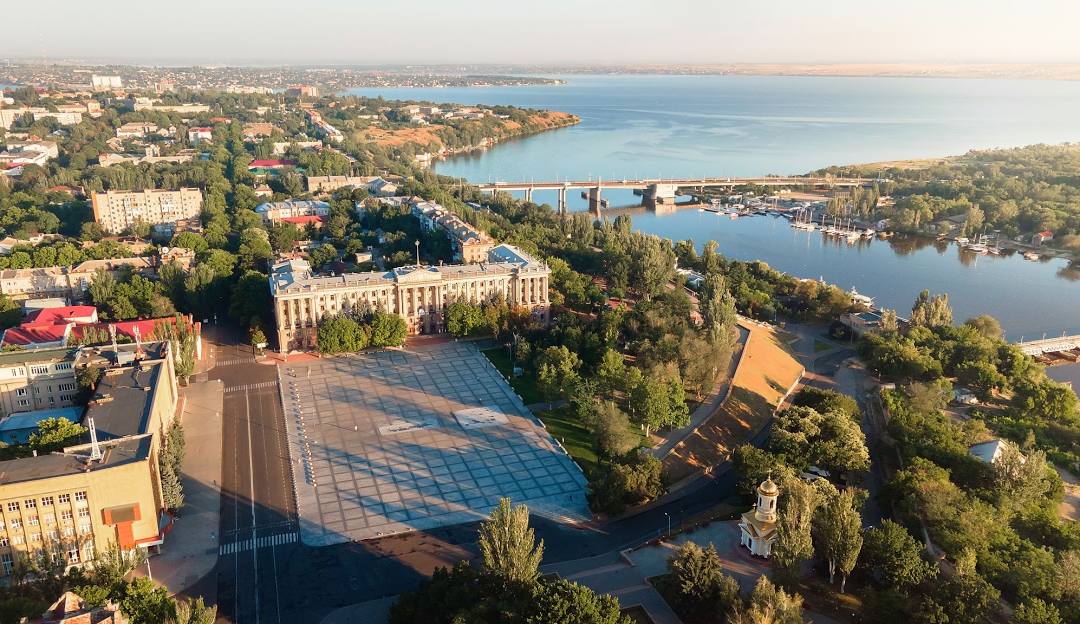
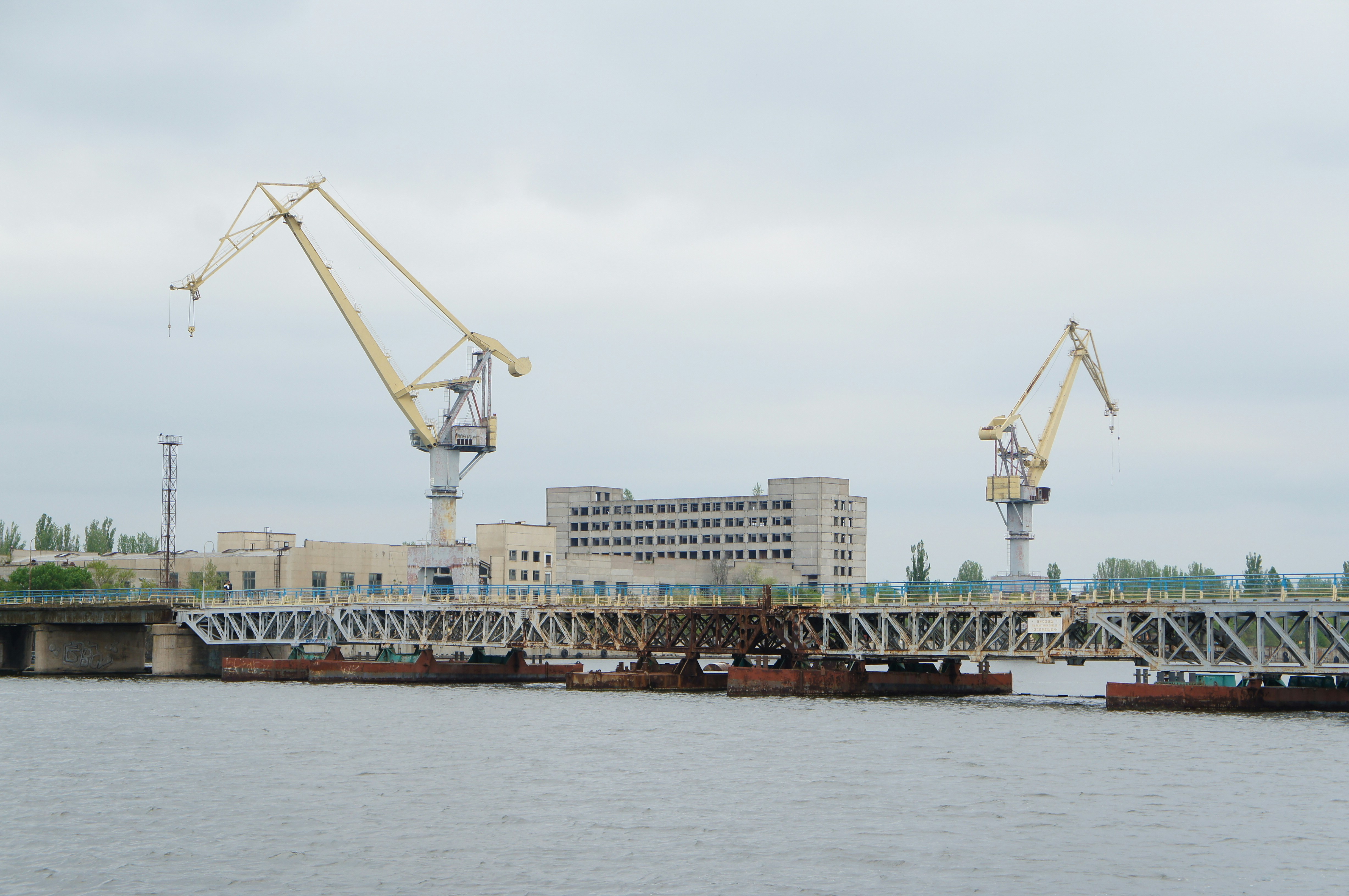
Located in southern Ukraine near the Black Sea, Mykolaiv covers 260 km² and is home to around 425,000 residents, including nearly 49,000 internally displaced persons (IDP's). Historically an industrial and shipbuilding hub, the city now focuses on resilience, energy independence, and sustainable recovery. Despite significant war damage, Mykolaiv’s leadership has used the crisis as an opportunity to rebuild smarter, prioritising decentralised power, green mobility, and climate-adapted infrastructure.
Challenge
Mykolaiv has faced large-scale destruction of housing, water systems, and energy infrastructure, compounded by the ecological consequences of the Kakhovka Dam explosion, which disrupted groundwater and water supply. The city’s economy also suffered from massive business outflows and population displacement.
Solution
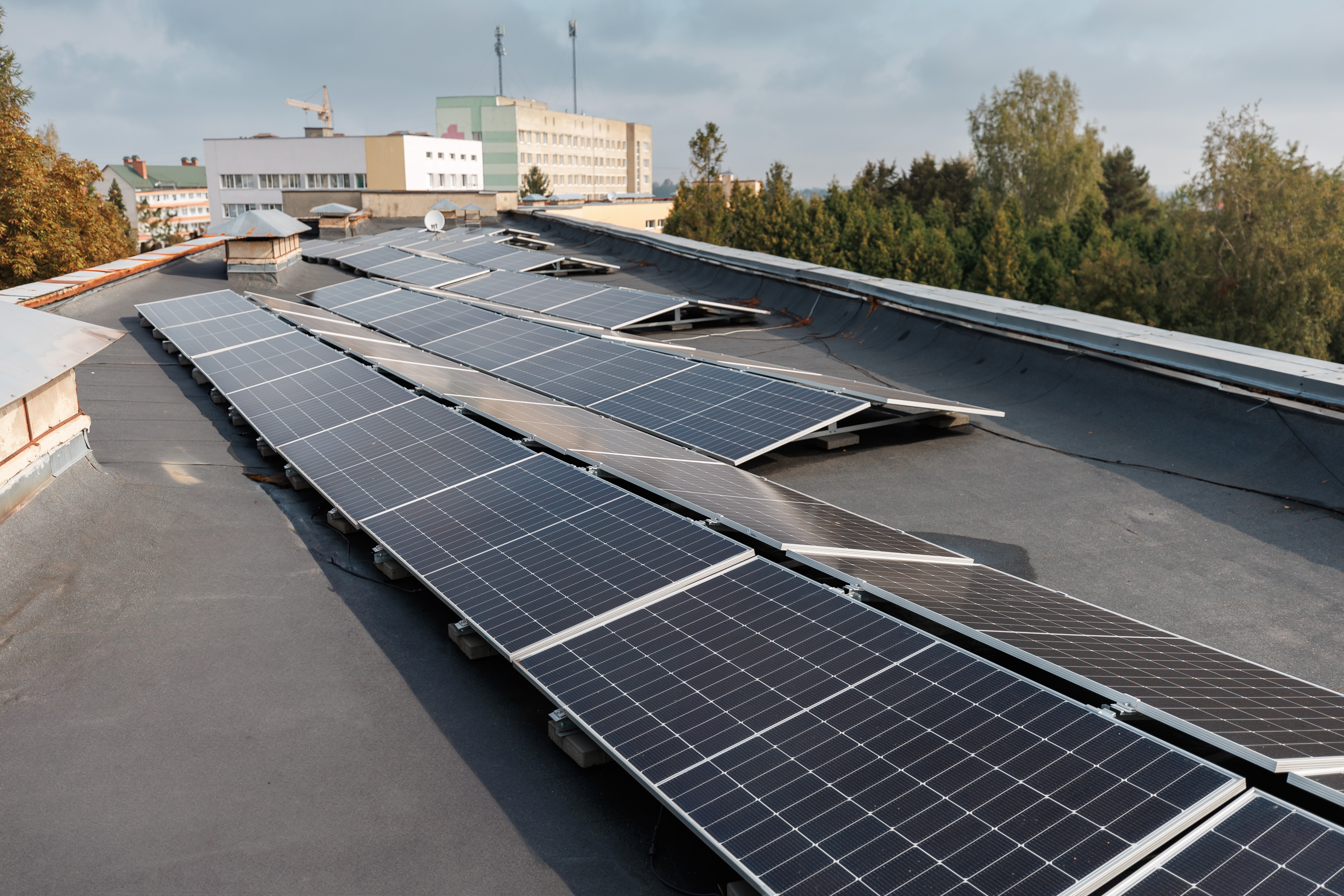
To respond, Mykolaiv is rebuilding with a climate-conscious approach, creating energy islands, installing renewable power at critical facilities, and adopting sustainable infrastructure standards. The city integrates recovery with long-term adaptation planning, ensuring that reconstruction supports both resilience and decarbonisation.
Key Impacts
17 renewable and efficiency projects
launched or under implementation since 2018.
30% efficiency increase
in heating & water system through upgrades.
10+ public buildings
equipped with solar panels and backup batteries
70% of local businesses
supported through recovery and green transition measures.
100% LED lighting
planned citywide by 2027
30 electric trolleybuses
added through the EBRD-financed fleet renewal project
20+ international partnerships
established for recovery and climate projects.
Comments ()