

Goyang’s Smart AI Energy Watch
Supporting citizens to cut electricity costs and adopt energy-saving habits
Status
City description
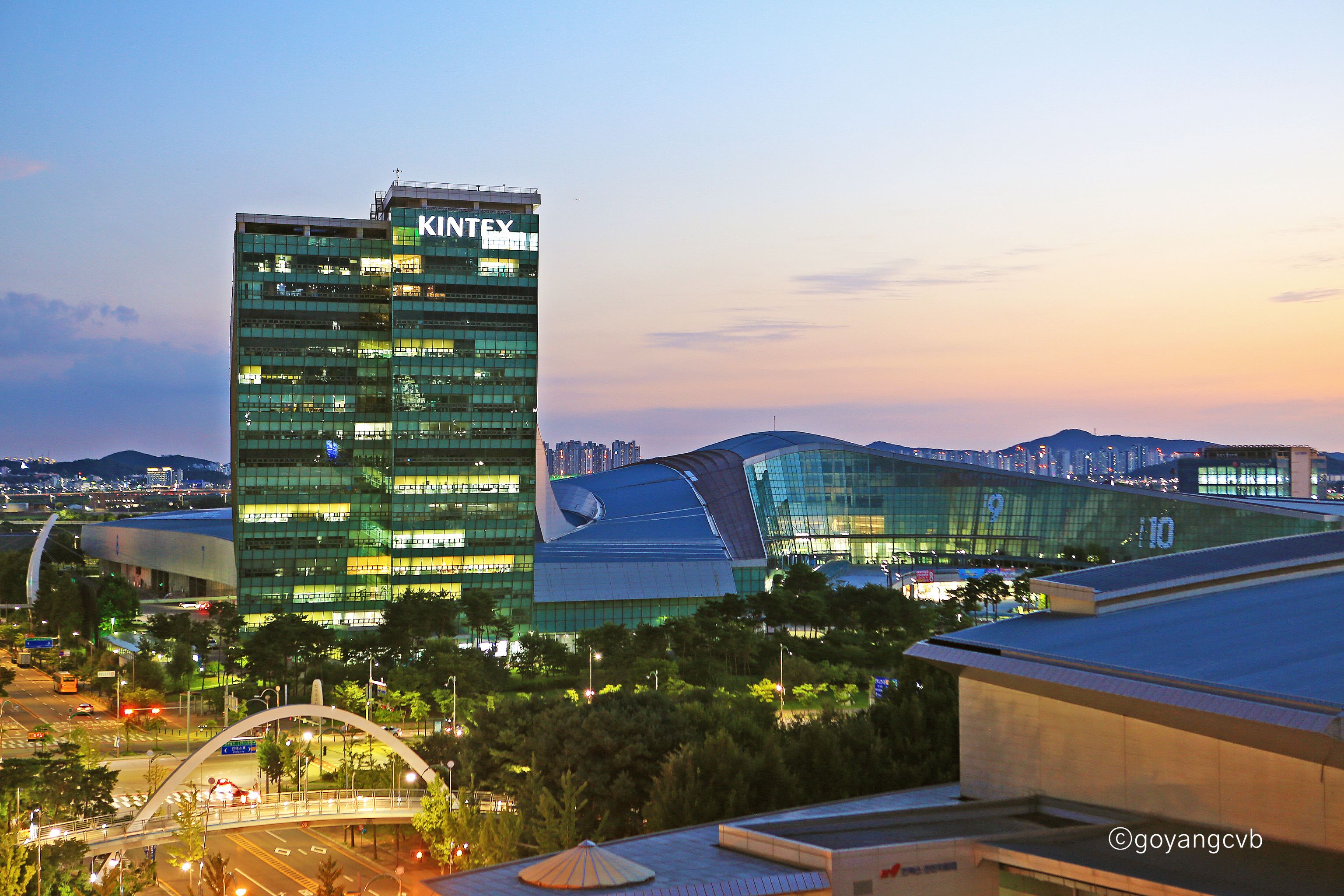
Goyang is a large satellite city of Seoul in Gyeonggi Province. Covering 286 km², it is home to more than 1.06 million people (2025 estimate), making it one of South Korea’s largest cities. Its districts include Ilsan, a major planned new town, and Deogyang, which spans 165 km² with over 376,000 residents. Positioned within the capital region’s high-growth corridor, Goyang faces mounting energy and climate pressures while seeking to remain an affordable and sustainable place to live. The city has embraced digital innovation and smart city initiatives as central tools to improve infrastructure efficiency and sustainability
Challenge
Households and municipal and public facilities in Goyang suffered from suboptimal energy use: inefficient HVAC, lighting, and mechanical systems running on fixed schedules, limited real-time visibility, and little automated adjustment. This led to excessive consumption, high operational costs, and poor capacity to meet Goyang’s climate and energy goals.
Solution
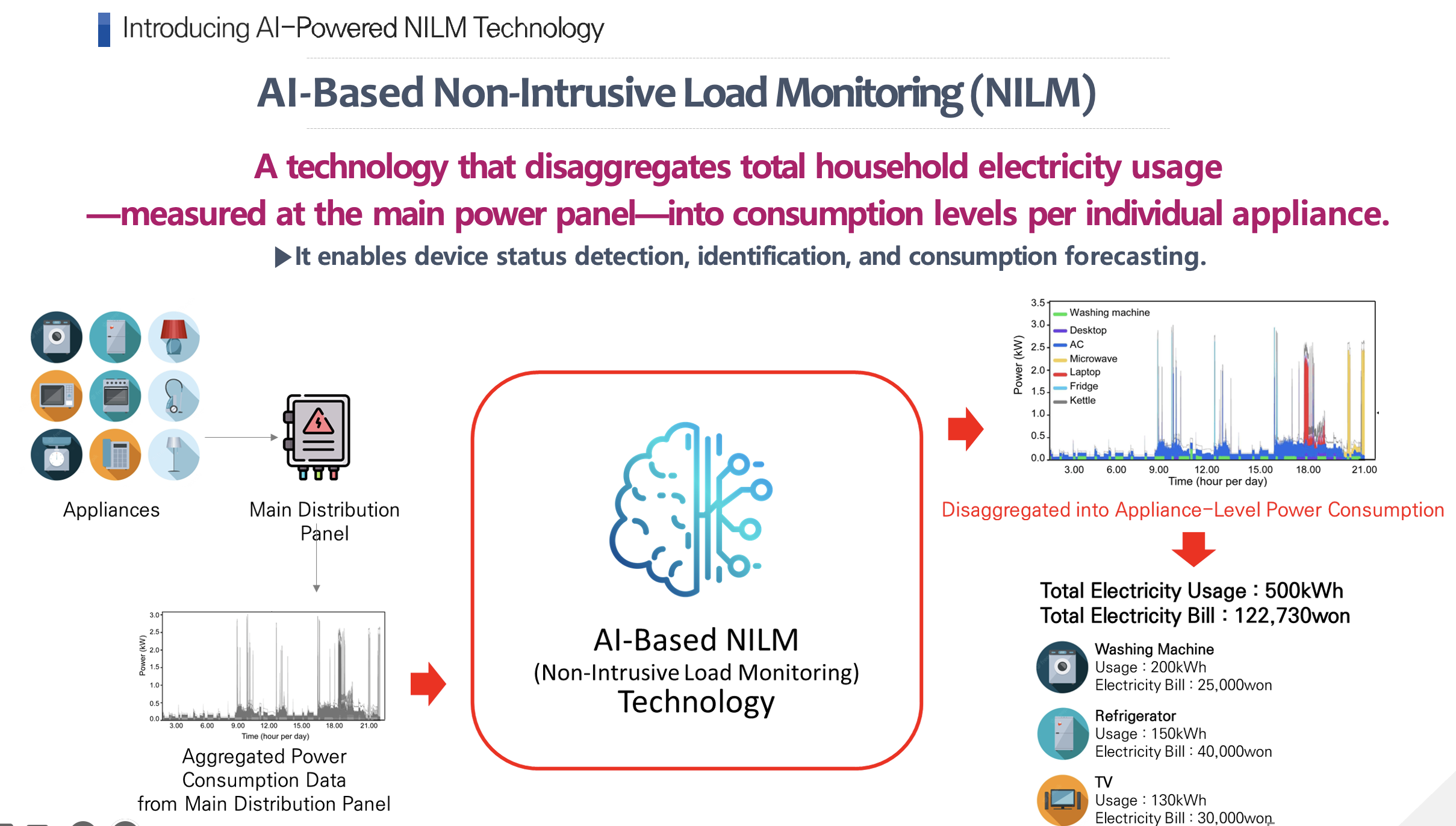
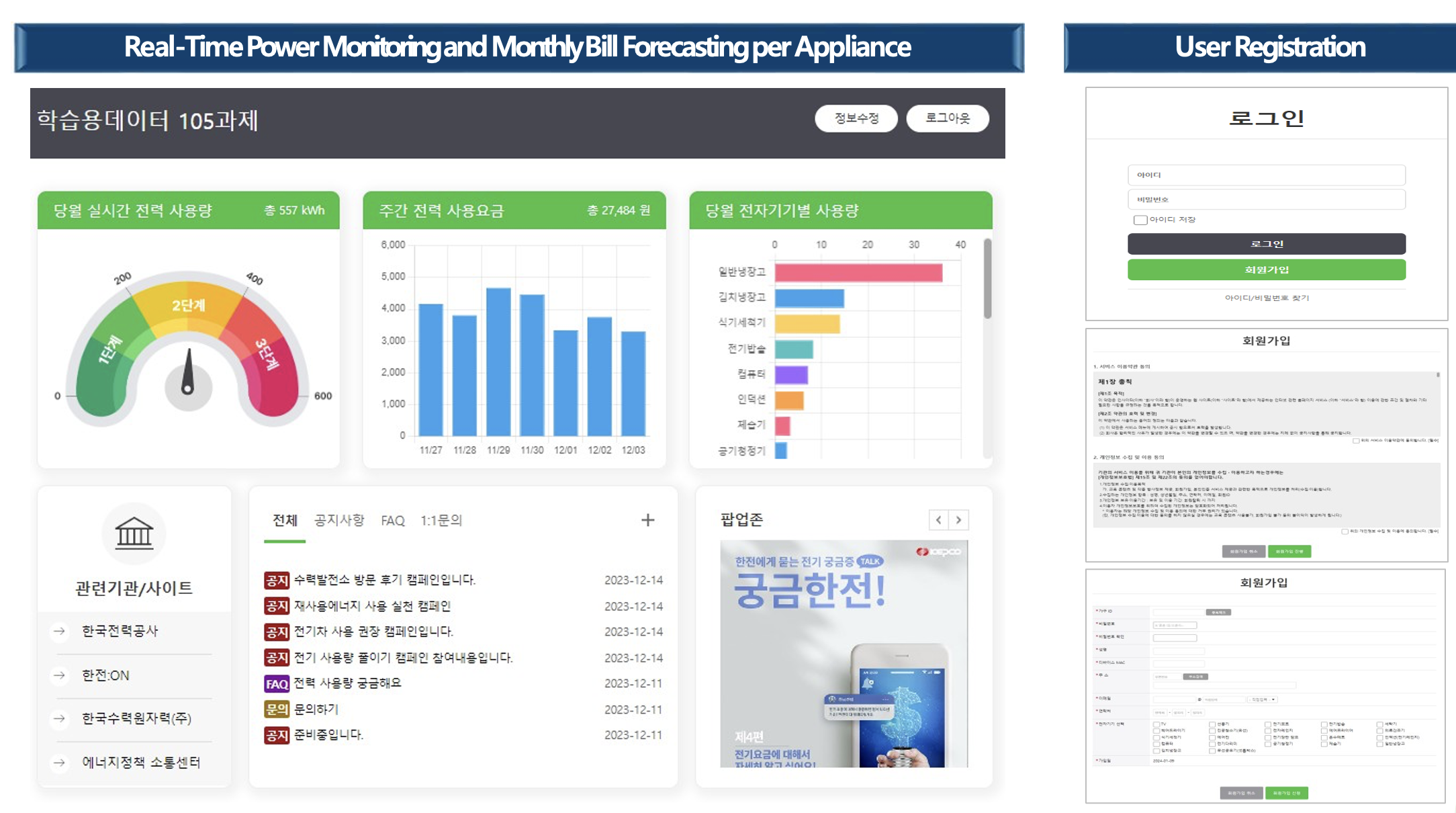
Deploy an AI-powered energy monitoring and control system that ingests data from meters, sensors, building systems, and context; detects anomalies, inefficiencies, and demand spikes; recommends or automates adjustments to HVAC, lighting, and other loads; and provides dashboards for facility managers. Over time, it learns usage patterns and refines strategies for dynamic optimization and sustained energy savings.
Key Impacts
5–25 % energy savings
recorded in pilot households and buildings
12 % lower electricity bills
reported in September–October 2024 pilot period
40,641 data pairs collected
across 22 appliance categories, exceeding targets
93 % satisfaction rate
among pilot users (56 % “very satisfied”, 37 % “satisfied”)
100 % of households
in pilot received appliance-level dashboards
22 appliance categories
had real-time monitoring of including AC, washing machines, refrigerators, TVs, and lighting
Tens of tonnes of CO₂ reductions
annually, based on energy savings
Comments ()