

Satkhira: Urban Green Living Labs for Vulnerable Communities
Building climate adaptation and inclusion in Bangladesh
Status
City description
Satkhira is a medium-sized municipality (138,000 residents) located in the southwest of Bangladesh, near the Bay of Bengal. The city, like many in coastal Bangladesh, faces multiple climate-related vulnerabilities: frequent floods, cyclones, saline intrusion into groundwater, and rising urban heat. These stressors exacerbate social vulnerability, especially among low-income and informal-settlement residents. The city lacked comprehensive urban environmental management, and green/blue infrastructure had been severely degraded or insufficiently maintained.
Challenge
Satkhira’s informal settlements face extreme heat, frequent floods and cyclones, and rising salinity, worsening living conditions for low-income households with limited access to green space, cooling, or basic municipal services.
Solution
The project introduced a community-driven Living Lab model combining low-cost home gardening, small green-infrastructure upgrades, and a digital learning hub to improve cooling, food security, and climate awareness while strengthening local capacity and social cohesion.
Key Impacts
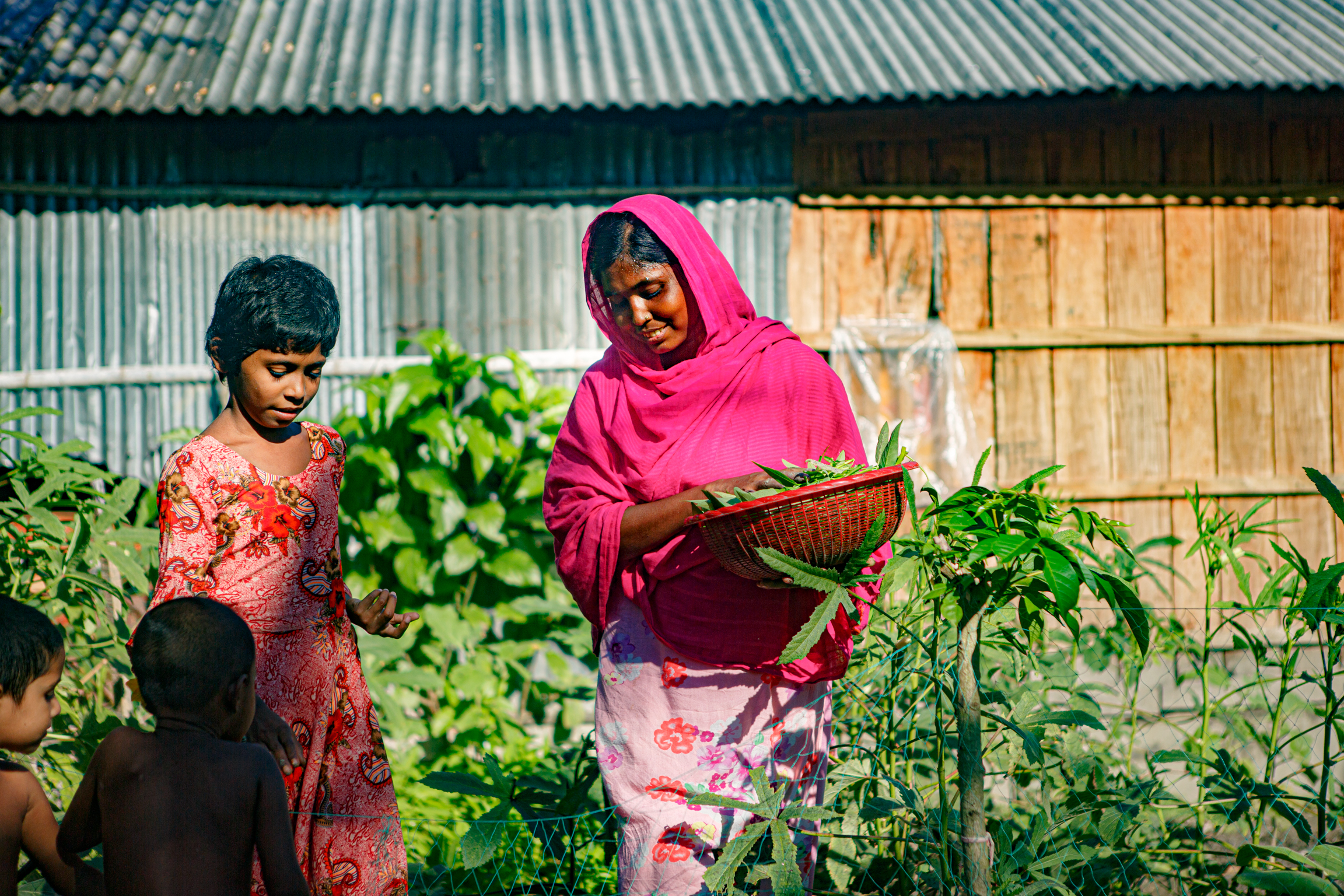
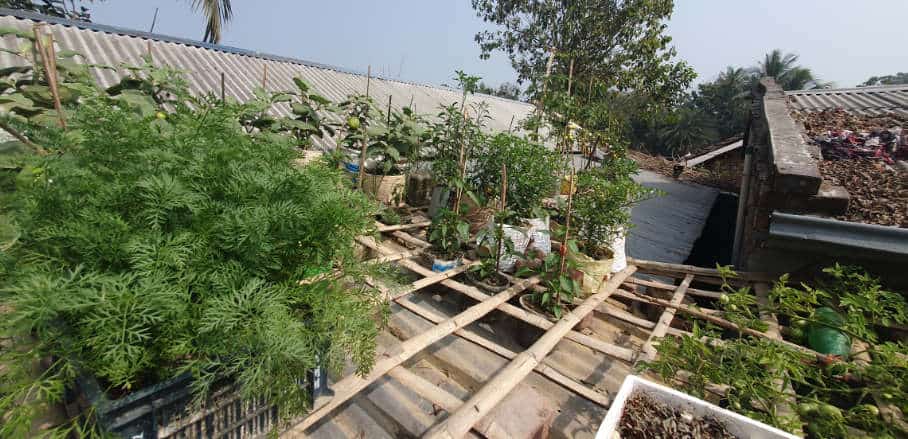
150 households adopted climate-resilient home gardening
producing vegetables for food security, shade, and modest income generation through surplus sales
1 solar-powered digital learning hub established
giving residents access to climate-adaptation knowledge, municipal information, and early-warning systems
Significant cooling effect
achieved through increased vegetation in dense settlements
Multiple public spaces upgraded with trees, plants, and seating areas
increasing equitable access to green spaces and enhancing social cohesion among low-income communities
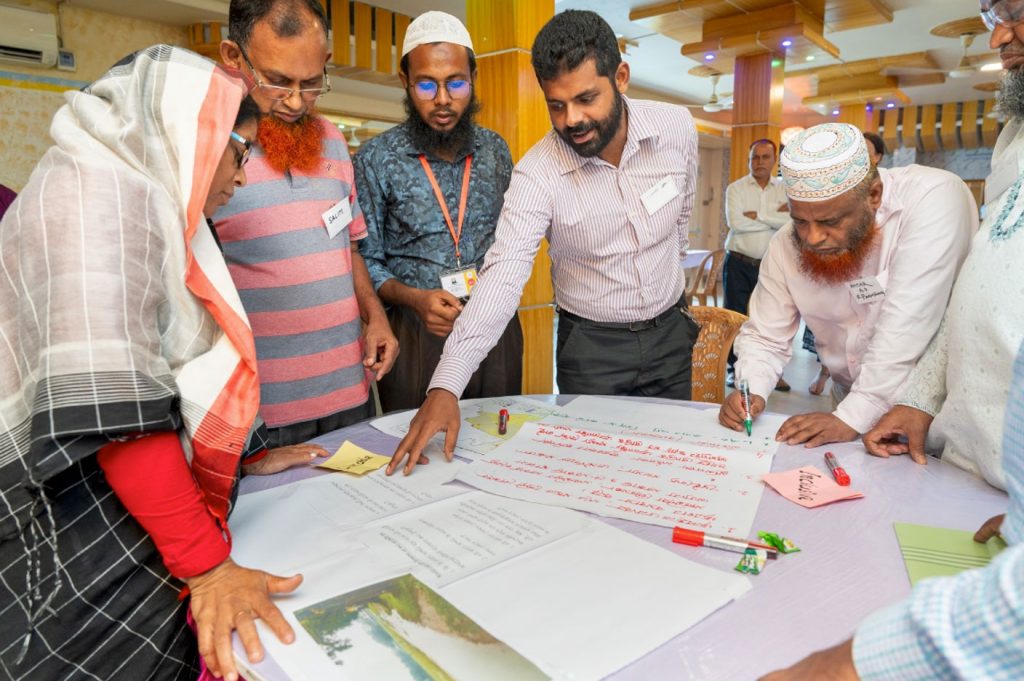
100+ women and youth trained
in horticulture, environmental management, and climate awareness, boosting agency, skills, and participation in community decision-making.
Improved awareness and participation
in design, maintenance and monitoring at household and ward levels, achieved through local multipliers, schools and community education campaigns
Comments ()